

The Rise of Telemedicine in Ethiopia and LMICs: Is it Living Up to Its Initial Promise?
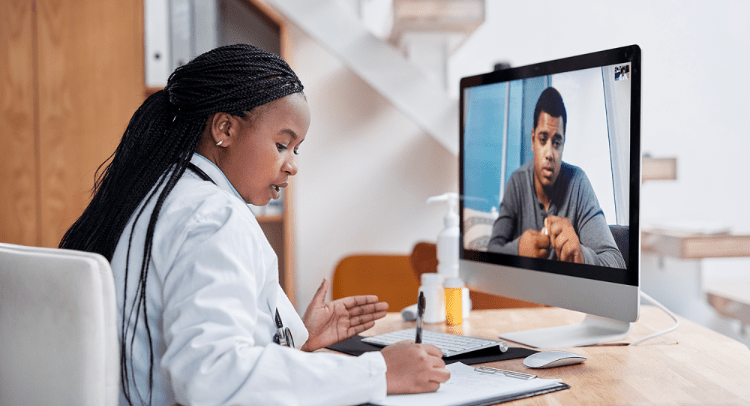
The advancement of modern communication technology has presented both new opportunities and challenges for the delivery of medical services. Telemedicine, an umbrella term encompassing clinical medical services provided remotely, has gained widespread adoption globally. Particularly in the wake of the COVID-19 pandemic that began in 2020.
Telemedicine can have a huge impact on developing countries like Ethiopia. But why is it missing the point and is failing to keep its promise to the desired degree?
- Digital Health vs Telehealth vs TelemedicineNewDigital Health vs Telehealth vs Telemedicine
Promises of telemedicine for low- and middle-income countries
Telemedicine promises multiple benefits for LMICs. The most prominent ones are:
- Improved access to healthcare for underserved populations. Especially those in rural areas or with limited transportation.
- Extension of healthcare professionals in areas with shortages of specialized professionals.
- Reduced financial burden of healthcare for both patients and providers by eliminating the need for in-person visits.
Worldwide Trends in Telemedicine so far
1. Business Industry perspective
One of the most effective strategies for a developing country when starting a new venture or investing in a project is to research and learn from the experiences of other nations, including both their successes and mistakes. This can help the country avoid common pitfalls and make informed decisions that increase the chances of success for the project.
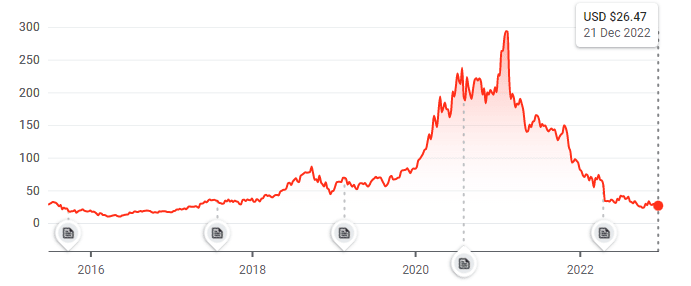

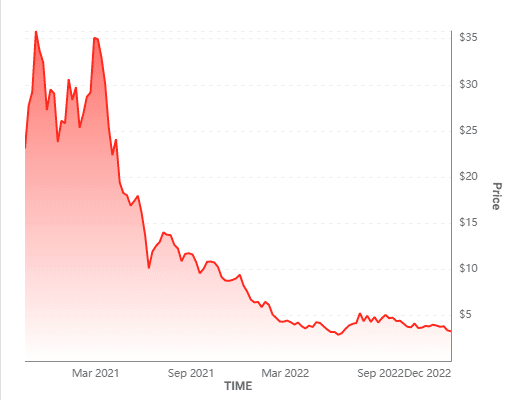
Teladoc is one of the oldest and most widely used, U.S.-based companies that provide virtual healthcare services over the internet, allowing users to access doctors, therapists, and other healthcare professionals.
Despite its wide popularity and hit during the pandemic, its stock prices plummeted -72.2% year to date and are currently at a similar number as the pre covid 19 pandemic era.
Another example is Amazon Care, a virtual health service offered by the tech giant Amazon. It provides employees, their families, as well as select enterprise clients various telemedicine services.
Three years after it began piloting a primary care service, Amazon announced Wednesday afternoon that it would end Amazon Care operations after December 31, 2022.
Why these and other companies fail to thrive in the post-pandemic era should be looked after.
Three years after it began piloting a primary care service, Amazon announced Wednesday afternoon that it would end Amazon Care operations after December 31, 2022.
Why these and other companies fail to thrive in the post-pandemic era should be looked after.
2.Clinicians’ perspective

In most surveys done questioning clinicians’ willingness to give virtual services, the results are showing exceedingly good outcomes. Although, limited adoption by a healthcare provider is still a challenge.
Healthcare providers may be hesitant to adopt telemedicine due to various concerns:
- Lack of comfort using technology: Some doctors believe that they are not giving the best treatments in virtual care as they often practice with uncertainty missing physical interactions and other important queues. They believe technology, to this date, can not fully replicate an in-person visit experience.
- Limited reimbursement: In some cases, clinicians may be hesitant to use telemedicine because they are not adequately reimbursed for the services they provide through this modality.
- Limited access to technology: In some cases, clinicians or patients may not have access to the necessary technology or internet connectivity to use telemedicine effectively.
3.Patients perspective

- Affordability: Telemedicine services that are currently available in low and middle-income countries are not affordable by the majority of the population and the services are not marketed to rural areas where there are dier needs
- Technical difficulties: Patients may experience issues with the video or audio quality of the telemedicine call or may have difficulty connecting to the service due to technical problems.
- Limited interaction: Some patients may feel that they are not able to fully communicate their symptoms or concerns during a telemedicine visit, as they are not able to be physically present with the healthcare provider.
- Preference for in-person visits: Some patients may prefer to have in-person visits with their healthcare provider and may feel that telemedicine is not an adequate substitute.
The way forward; Focus on what works!
Even though not all telemedicine services are growing, some specialties are gaining great outcomes for low and middle-income countries. Example:
- Teleradiology
- Routine medical consultation services
- Teledermatology
- Telepsychiatry
Investing in what works can save huge amounts of time, money and energy together with improving the quality of primary care and achieving universal health coverage.