
A review of 46 trials found back pain programs mixing digital and in-person care cut disability meaningfully, while fully digital ones fell short. Explained.
A trial of 558 people compared digital alcohol support models costing $162 to $802 per patient and their effect on heavy drinking days. Explained.
A model using routine hospital data predicted which cancer patients' fevers would last on antibiotics, at hospitals in Germany and the US. Explained.
An AI that reads doctors' notes found about 7 times more missed specialist referrals a week in 7 Singapore clinics, but caught only half. Explained.
A study of 2,901 clinicians found that use of an ambient AI scribe varied widely by specialty, from 69% in community general pediatrics to 16% in academic general surgery.
A review of 46 reports finds wrong computer advice sharply cuts clinicians' accuracy, and about 1 in 4 wrong ECG readings went uncorrected. Explained.
In 2,496 emergency X-rays, AI alone missed about 1 in 4 fractures, yet as a second check it cut radiographers' mistakes. The new study, explained.

NVIDIA unveiled a complete healthcare AI platform at GTC 2026 — surgical robot models, hospital digital twins, and drug discovery tools — now open to developers.

O'Shaughnessy Ventures offers $100,000 equity-free fellowships and $10,000+ grants for bold, independent thinkers worldwide. No equity taken. Deadline: April 30, 2026.
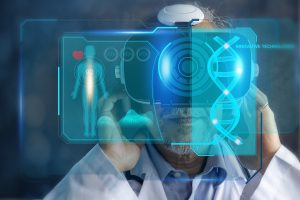
XR is one of the latest technological advances and is changing the reality of healthcare service quality.

Technology is opening doors to improved quality of care and patient safety and pioneering institutions are using it to build the hospitals of the future.
Cyber crime is widespread in all sectors and healthcare is no exception. In recent years, the healthcare industry has suffered several cyber attacks which compromised patient safety, hinting at the work that remains to be done in cyber security in healthcare.

Digital biomarkers are helping make quality care a reality by making access to real-time data easier than ever and putting crucial health data in patients' hands.

The medical profession has been plagued by racial and gender bias since its inception. Uncovering these biases is the first step towards a more equitable future.

Does AI have the answer to the problem of medical errors? From diagnosing diseases to improving surgical outcomes, AI is emerging as a hopeful new solution to errors in healthcare.

A biomedical engineering team at the University of Utah created the “LUKE Arm,” named in honor of the robotic hand Luke Skywalker obtains in “Star Wars: The Empire Strikes Back” after Darth Vader slices off his hand with a lightsaber.