
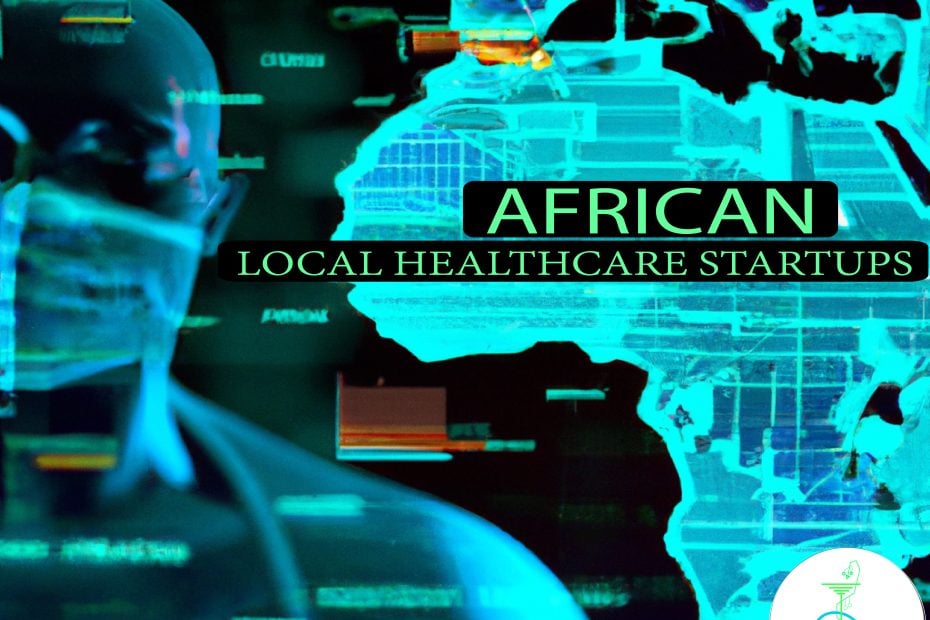
Africa, the second-largest and second-most populous continent in the world, yet it faces unique healthcare challenges that differ from the rest of the world. Despite advances in medical technology and treatments, many countries in Africa still struggle to provide basic healthcare services to their populations.
Challenges
One of the main challenges facing the healthcare system in Africa is shortage of qualified healthcare professionals. Many African countries suffer from a severe shortage of doctors, nurses, and other healthcare workers, which puts a strain on the healthcare system and limits its ability to meet the needs of the population.
Another challenge is the lack of access to healthcare services in rural areas. Many rural communities in Africa are remote and isolated, which makes it difficult for healthcare workers to reach them. This lack of access to healthcare facilities and services contributes to high mortality rates, particularly among mothers and children.
Limited availability of medical supplies and equipment is also a major challenge in Africa. Many healthcare facilities lack basic equipment such as diagnostic machines, surgical instruments, and medications, which limits their ability to provide adequate care.
Where local health startups rise
Local health startups are essential to solving these healthcare problems in Africa. These startups are often founded by people who are passionate about improving healthcare in their communities, who have witnessed or experienced the problems firsthand and have a deep understanding of the unique challenges faced in their region.
They are able to develop innovative solutions that are tailored to the needs of their communities, and can be more nimble and flexible than larger, more established healthcare organizations. Despite the potential of these local health startups, they are often struggling to find investors who understand the complexities of African health problems.
- 5 Times Shark Tank Seen The Best of Medical Entrepreneurship (Doctorprenuership)New5 Times Shark Tank Seen The Best of Medical Entrepreneurship (Doctorprenuership)
Opportunities for local African health startups
“There is a lot already happening in the digital sphere, but there was no strategy,” Nsengimana said. “Africa CDC came to a point where we realized it’s high time and really urgent to go back and rethink our approach to using technology for public health.”

Villgro Africa:
Formerly known as Villgro Kenya, before it started expanding in other 4+ locations in 2020. Established with a great vision of helping innovators develop and scale sustainable health and science solutions that improve quality of life for people across Africa. Startups can apply to join Villgro Africa’s portfolio and receive Africa startup funding from $20,000, along with business development advice and access to further investment opportunities. We have a preference for scalable and sustainable models led by a multidisciplinary team with a minimum viable product.

J&J Impact Ventures:
The Johnson and Johnson Impact Ventures shows great commitment towards fighting societal challenges, including the Center for Health Worker Innovation and Our Race to Health Equity. With 10+ impact startups and social ventures, with a particular focus on addressing low-income and diverse communities. They offer great opportunities for local health startups.

Africa Intelligence for Development:
The Africa intelligence for development program is dedicated to a future where Africans across all regions create and use artificial intelligence (AI) to lead healthier, happier and greener lives. Their programs are mostly oriented towards Artificial Intelligence and research. They are actively accepting until 2024. Please read more about AIFD here.
- Importance of Medical Entrepreunership for Healthcare Quality ImprovementHOTImportance of Medical Entrepreunership for Healthcare Quality Improvement
Investment
Many investors are unfamiliar with the healthcare landscape in Africa. Most are not even aware of the opportunities available in the sector. That may be mainly due to small amounts of healthcare professionals in investment. Additionally, there is often a perception that investing in healthcare in Africa is risky, which can deter potential investors.
To increase investments in African health startups, it is essential to increase awareness of the opportunities available in the sector and to educate potential investors about the unique challenges faced by healthcare in Africa. This can be done through public-private partnerships, educational initiatives, and networking events that bring together healthcare professionals, investors, and entrepreneurs.
It is also important to create a supportive environment for local health startups. This can be done by providing access to resources such as funding, mentorship, and training. By doing so, responsible bodies can help these startups grow and scale their impact, ultimately leading to improved healthcare for the people of Africa.
The healthcare problems faced in Africa are unique and complex and require innovative solutions that are tailored to the specific needs of the region. Local health startups have the potential to make a significant impact, but they need support from investors who understand the complexities of the African healthcare landscape. By increasing awareness and providing a supportive environment, we can help these startups to thrive and contribute to a healthier future for all.