

A Million Ways To Kill – For Healthcare Workers
How well do you know about medical errors? How bad do you think they are? Ever worried about being responsible for one?
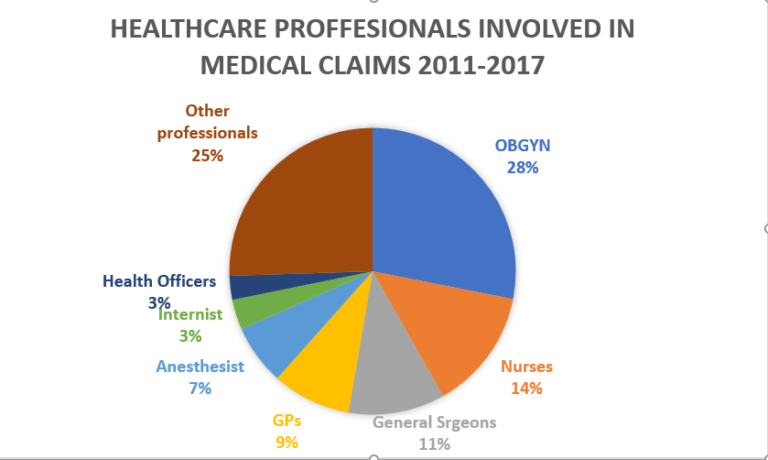
In a study done in the year 2020, In Ethiopia, the prevalence of medical errors has been found to be 57.6%
“…Medication errors were very common in Ethiopian hospitals whereby at least one out of two medications were wrongly prescribed and administered…” you can read the full article here
What is Medical Error?
There is no universally accepted definition for medical errors but it can be simply defined as a preventable adverse effect of medical care, whether or not it is evident or harmful to the patient
Medical error is a complex issue, but the error itself is an inevitable part of being human.
Even though the evidence is limited in developing countries, the probability of patients being harmed in hospitals when receiving care might be much greater than that of the industrialized nations.
A Johns Hopkins study released in 2016 estimated that roughly 250,000
people die annually because of medical errors, making it the third leading cause of death
1.5 million worldwide deaths yearly
1 error/hospitalized patient each day
A cost of >$40 billion each year due to medication-associated errors
Poor handwriting causes up to 9000 deaths annually
What are types of Medical Errors?
1. Slips, Lapses, and Mistakes
I. Slips
failure in execution or action not carried out as planned or intended.
Example: You plan to give a medication Intravenously but instead give it Intramuscularly.
II. Lapses
Forgetting or Missed action or omission.
Example: forgetting to continue antibiotics on discharging a patient.
III. Mistakes
Intended action is wrong. Lack of knowledge
Example: Treating a patient as an outpatient where actually he/she should have been admitted.
2. Violations
Deliberate action against rules, protocols, and guidelines.
Example: you are tired and working in an emergency ward, a trauma patient comes to you and you start managing the patient without doing the ABCs and having a full history and medication.
3. Near misses
Errors of any kind that are caught in time before hurting and causing harm to the patient. Still very important to report such events.
Example: you write a prescription for a diabetic patient “Metronidazole 500mg PO BID for 1Month” and luckily the pharmacist caught it and you corrected it to “Metformin 500mg”
4. Cognitive errors
I. Anchoring Bias
Holding on to a certain diagnosis or treatment and being dismissive to other signs and symptoms that could point in another direction of management, testing, or diagnosis.
Example: A 60 years old female patient may come with complaints of nausea, epigastric pain, with a history of 1episode of vomiting. And you manage the patient for dyspepsia and not do further investigations like an ECG whereby females do present with atypical signs and symptoms of Acute Coronary Symptoms.
II. Confirmation Bias
Looking for evidence to support a pre-conceived opinion rather than looking for evidence that disproves it.
Example: in the aforementioned patient… instead of doing a cardiac workup to rule out another possible diagnosis, asking for more evidence to support gastric etiology and doing H.pylori tests.
III. Availability Bias
Tendency to assume a diagnosis based on recent events or memorable encounters.
Example: you work in pediatrics OPD in a flu season and a child presents to your office with complaints of cough. And you manage it as the flu without looking through the possibilities of the child having pneumonia.
Conclusion and Recommendation
Medical errors are not just the result of human error, but also the result of the systems in which humans work and interact. Thus, any improvement in reducing medical errors must come from looking at the systems and processes as a whole, not just at the individual level. And it shouldn’t be turned into a blame game
In the last decades, most of the complaints made were surgical and emerged from the Operating Rooms. And of all claims made, around 21% were found to be actual medical errors.
To reduce the incidence of errors, healthcare providers need to identify the cause, develop solutions, and measure the success of improvement efforts. In addition, accurate measurement of error frequency based on clear and consistent definitions is an essential prerequisite for effective action.
Solutions can range from giving training and incorporating the issues of patient safety in healthcare education systems to proper documentation and usage of digital health solutions to educating the community to participate actively and ask questions on his/her own health.