
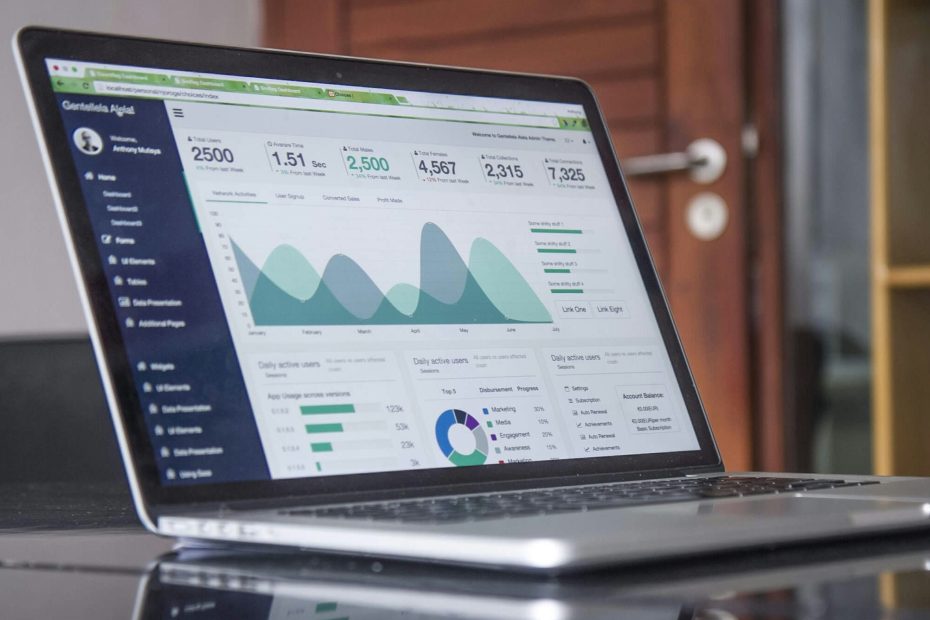
Anyone who has ever been to the doctor knows the crucial role that health data plays in understanding the human body. Clinicians are constantly searching for clues to the body’s condition, ranging from blood pressure to the amount of a particular substance in the blood, that collectively paint a picture of what is happening inside the body.
These measurable indicators of biological processes or conditions within the body are known as biomarkers. They provide valuable insights into a patient’s health status and help clinicians diagnose diseases, monitor treatment progress, and predict prognosis.
Types of Biomarkers
In the realm of modern medicine, technology is revolutionizing the approach to biomarkers. Hooking patients to myriad machines and taking samples of everything imaginable at a doctor’s visit is slowly becoming obsolete thanks to the emergence of digital biomarkers. They harness the vast capabilities of digital technology to collect, analyze, and interpret data related to an individual’s health and behavior. Instead of relying solely on physical samples like blood or urine, digital biomarkers leverage a diverse array of sources, including wearable devices, smartphones, social media activity, and even voice recordings.
While both traditional and digital biomarkers provide health data that gives valuable insight into a person’s health status, they also have significant differences. One key distinction between the two is their mode of data collection. Traditional biomarkers typically require invasive procedures or specialized laboratory tests, which can be time-consuming, costly, and sometimes uncomfortable for patients. Digital biomarkers, on the other hand, offer a non-invasive means of continuous monitoring that seamlessly integrates into patients’ daily lives.
The spectrum of data collection that is possible through digital biomarkers is also much wider than that of traditional biomarkers. Perhaps the most widely used application of digital biomarkers is the tracking of vital signs like heart rate, blood pressure, and oxygen saturation through smartphones and wearable gadgets but that’s only the tip of the iceberg when it comes to health data made available through digital devices. Accelerometers and gyroscopes in smartphones and wearables monitor physical activity, gait patterns, and posture, offering insights into mobility, fitness levels, and risk of falls.
Digital biomarkers can also analyze behavioral patterns such as sleep duration, screen time, social interactions, and dietary habits, giving medical professionals a whole new perspective on lifestyle factors that impact patients’ health and wellness. Mental health, cognitive function, and emotional well-being can also be better analyzed and understood with the use of advanced technologies like facial recognition and voice analysis that detect subtle changes in facial expressions, tone of voice, and speech patterns.
In addition to streamlining the data collection process and broadening the possibilities, digital biomarkers provide a more dynamic picture of an individual’s health by generating real-time data over extended periods. Data from a digital device like a wearable allows a much more comprehensive understanding of a person’s health than the snapshot provided by a single in-office measurement, making it a powerful new way of improving early detection and intervention, disease prevention, and patient monitoring.
Applications of Digital Biomarkers in Medicine
The versatility of digital biomarkers makes them well-suited to application in various areas of medicine. Not only do they take on the functions of traditional biomarkers in certain settings, but their unique properties also allow them to extend these functions in ways previously unexplored.
1. Diagnosis and Monitoring
By constantly assessing and documenting different parameters of health, digital biomarkers enable early detection and continuous monitoring of chronic conditions such as diabetes, hypertension, and respiratory diseases. The information they provide makes timely intervention and personalized treatment plans possible without the need for repeated hospital visits and the cost that is involved. A great example of digital biomarker usage for this purpose is wearable glucose monitors, which track blood sugar levels in real time, helping individuals with diabetes manage their condition more effectively and reducing the risk of complications.
2. Medication Adherence
Through devices like smartphones and smart pill bottles, digital biomarkers are making a significant impact on medication and dosage adherence. Different apps are helping reduce treatment noncompliance by reminding patients to take their medications and logging each dose. These technological advancements optimize therapeutic outcomes for individuals with chronic conditions requiring long-term medication regimens and are invaluable partners in the management of such conditions.
3. Mental Health Management
Smartphone apps’ capacity to generate health data is not limited to vital signs and medication adherence. They can also help assess mental health parameters such as mood fluctuations, sleep disturbances, and social withdrawal, facilitating early recognition and personalized therapy for conditions like depression, anxiety, and posttraumatic stress disorder (PTSD). Apps equipped with mood-tracking features enable individuals to monitor their emotional well-being over time, empowering them to identify triggers, seek support, and engage in self-care activities to maintain mental wellness.
4. Clinical Trials and Drug Development
Digital biomarkers are a breakthrough for clinical research, as they provide investigators with objective, real-time data beyond the scope of manual data collection. The data collected through the use of digital biomarkers can be used to evaluate the safety, efficacy, and tolerability of experimental therapies, accelerating the drug development process and enhancing clinical trial outcomes. This advantage of biomarkers is demonstrated in the use of wearable devices that capture resting tremors and their severity to provide quantitative measures of disease progression in neurological disorders like Parkinson’s disease, and accurately identify treatment related changes in motor state.
5. Remote Patient Monitoring
Digital biomarkers also improve the delivery of telemedicine services through remote patient monitoring. They enable healthcare providers to monitor patients’ health status remotely and intervene proactively when necessary without the need for an in-person visit. For instance, remote monitoring platforms connected with wearable sensors have been used to track vital signs and symptom trends in patients with heart failure, enabling early detection of exacerbations and reducing hospital readmissions through appropriate interventions. Similar technology has also been used to monitor post-operative patients at home, reducing hospital stay after surgery.
- 5 Times Shark Tank Seen The Best of Medical Entrepreneurship (Doctorprenuership)New5 Times Shark Tank Seen The Best of Medical Entrepreneurship (Doctorprenuership)
What Are the Benefits of Analyzing Digital Biomarkers?
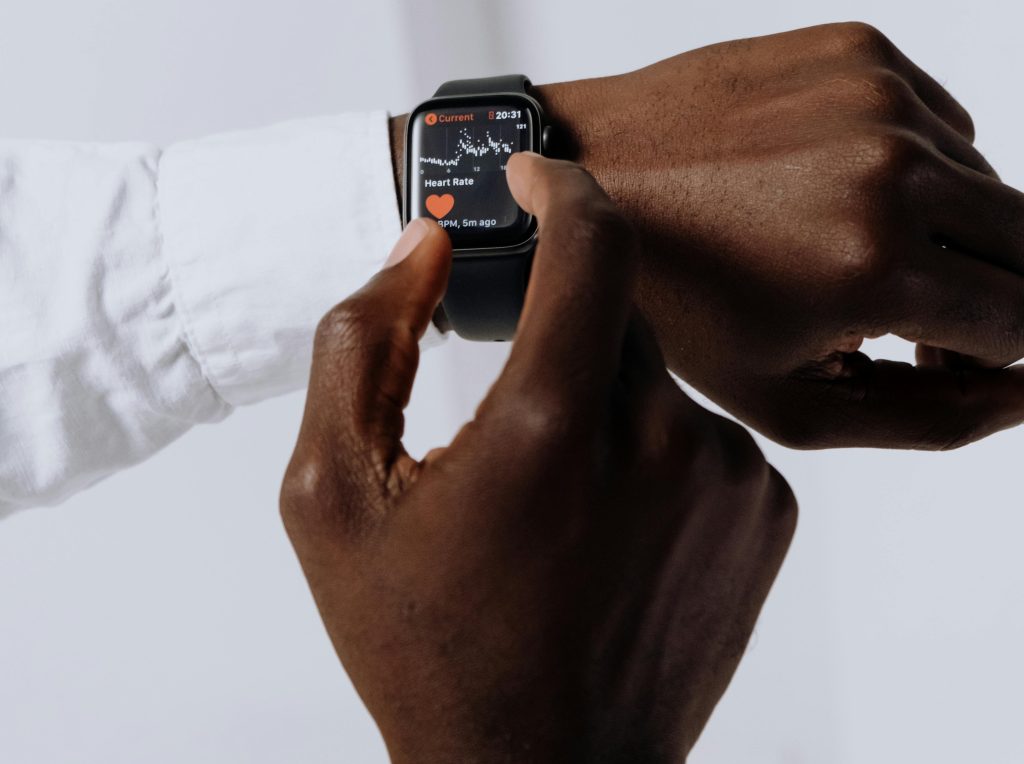
The integration of digital biomarkers into clinical practice is bringing major changes to the way healthcare is delivered. The availability of such versatile data is making it easier than ever for clinicians to provide evidence-based care and for patients to play a more active role in their health and well-being.
1. Personalized Healthcare
Digital biomarkers are making personalized medicine a reality by providing tailored insights into each patient’s unique health profile, enabling clinicians to customize treatment plans and interventions based on individual needs and preferences. This is illustrated by the use of lifestyle data and wearable sensor metrics, in combination with genetic testing, to personalize nutrition and exercise recommendations, improving health outcomes for individuals with genetic predispositions to certain diseases.
2. Preventive Care
The insight provided by digital biomarkers serves as an early warning mechanism when individuals’ health parameters deviate from the baseline. Daily analysis of dietary habits and physical activity levels, like that done by most smartphone health apps, can provide personalized health recommendations and behavioral interventions to help individuals mitigate risk factors for obesity, diabetes, and cardiovascular diseases. Such a focus on prevention at the individual level makes quality care accessible to every patient and ultimately reduces the burden of chronic diseases and healthcare costs.
3. Data-Driven Decision Making
Digital biomarkers facilitate data-driven decision-making in healthcare by granting practitioners access to large volumes of real-world data. This is not limited to clinical practice but can also be widely applied to population health management, and public health initiatives, leading to more efficient resource allocation and improved patient outcomes. To this end, machine learning algorithms trained on aggregated patient data are being used to identify patterns and trends in disease prevalence, guiding policymakers in allocating resources for preventive screening programs and targeted interventions to address community health needs effectively.
4. Patient Empowerment
Health data that used to be generated in hospitals and primarily served to inform care providers is now in the hands of patients, giving them crucial insight into their health. This shift has enabled patients to become active participants in their care, fostering a sense of empowerment, autonomy, and engagement in managing their health and well-being. Digital biomarkers from mobile health apps, wearable devices, and patient portals, provide access to personal health records, laboratory results, and educational resources, empowering individuals to make informed decisions about their healthcare and track their progress toward health goals. Patients work as a team with their care providers, collaborating in treatment planning and taking an active role in attaining the best medical outcomes. The patient is the most important member of a well-functioning healthcare team and empowered patients make the delivery of quality care a much easier task.
In the ever-evolving field of healthcare, digital biomarkers hold the promise of enhanced disease management and clinical decision-making, and of empowered individuals leading healthier lives. Thanks to the unmatched capacity of digital biomarkers to gather, analyze, and interpret a wealth of health-related data, healthcare that is not only more effective and efficient but also more personalized and proactive than ever before is on the horizon.
- Importance of Medical Entrepreunership for Healthcare Quality ImprovementHOTImportance of Medical Entrepreunership for Healthcare Quality Improvement